



The caffeine content of coffee
The fact that coffee contains caffeine makes it one of the most consumed beverages worldwide. Coffee, tea, and chocolate are just a few examples of foods that naturally contain caffeine, a stimulant. Depending on the quantity and frequency of use, this potent and addictive medication can have both favorable and harmful effects on the body.
The amount of caffeine in coffee can differ greatly depending on the type of coffee, the brewing method, and the serving size. Typically, an 8-ounce cup of coffee has 95 milligrams of caffeine. Nevertheless, this can range from 30 milligrams to 200 milligrams depending on the type of coffee bean, the degree of roasting, and the brewing method. For instance, espresso is sometimes given in smaller volumes than drip coffee, which might result in a lower overall caffeine intake. Nonetheless, drip coffee usually has less caffeine per ounce than espresso.

Pros & Cons
Contrary to popular belief, caffeine may have both beneficial and harmful effects on the body. Caffeine offers the advantage of increasing mental performance, alertness, and lowering weariness. Moreover, it can increase metabolism, support weight reduction, improve athletic performance, and lessen muscular discomfort. Caffeine has also been associated to a lower chance of developing several illnesses, including Parkinson’s and Alzheimer’s.
However, excessive consumption of caffeine can have negative effects on the body. Too much caffeine can cause insomnia, nervousness, and anxiety, as well as headaches and gastrointestinal problems. It can also lead to addiction and withdrawal symptoms, including irritability, fatigue, and depression. In addition, high doses of caffeine can be dangerous, and in rare cases, even fatal. Caffeine overdose can cause rapid heart rate, seizures, and other serious health problems.
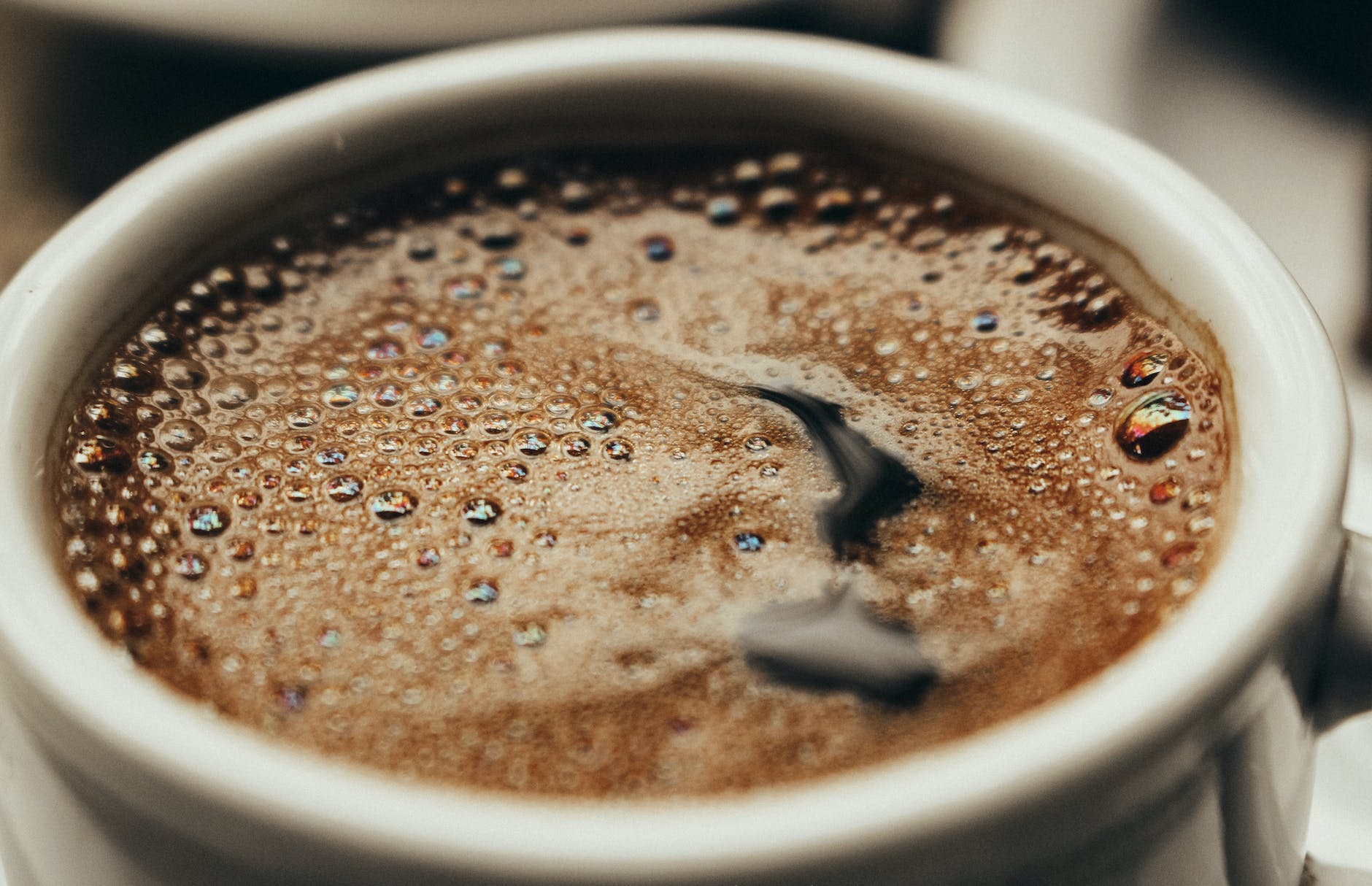
Effects to your health
The effects of caffeine might vary greatly from person to person depending on factors including age, weight, and overall health. Even at moderate amounts, caffeine may have a different negative impact on different people. Some people might be able to consume large amounts of caffeine without suffering any side effects. It’s also critical to be aware of the additional caffeine-containing foods and beverages in your diet, such as chocolate, energy drinks, and tea, and to modify your overall caffeine intake appropriately.
Conclusion
Overall, coffee contains caffeine which has been associated with a number of health advantages when used in moderation, but excessive amounts may be detrimental to your health. One can better control their consumption if they are aware of the caffeine content in coffee and other drinks. It is always advisable to refer to a medical expert if you have any concerns about your caffeine intake or its effects on your health.


